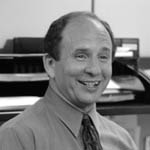
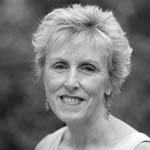
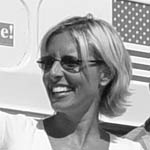
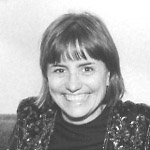
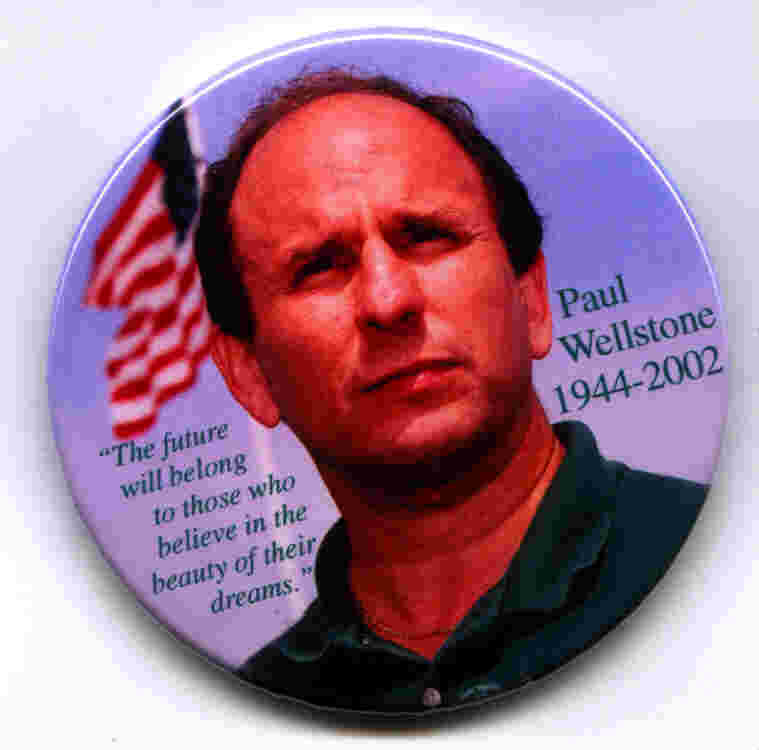
"Tuscarora" is dedicated to the memory of Paul and
Sheila Wellstone, Marcia Wellstone Markuson,
Mary McEvoy, Tom Lapic, and William McLaughlin,
it benefits Wellstone Action, a tax-exempt organization

Remembering
I have known Minnesota Senator Paul Wellstone for 20 years.
We met through our involvement with MPIRG, a Ralph Nader
organized and student directed public interest group. When
I started work at a rural legal aid office representing
low-income farmers, Paul was working to organize farmers
to push for a minimum price like the minimum wage.
My roommate at the time was Jeff Blodgett, a farm
organizer and former Wellstone student, who would later
become Paul's manager for all three campaigns.
Paul was a champion of my community of legal aid workers
for the poor, and the many communities of low-income people
we serve. Many people talk in churches, schools, or social
settings about lending a hand to the poor, disenfranchised,
and oppressed. They wonder why there isn't someone there
for the little guy. They think about it while watching
"A Christmas Carol," waiting for Scrooge to become the
better person he is capable of being.
Not nearly enough work towards this principle on a daily
basis, let alone consider it in the voting booth. Others even
reject it. Paul and Sheila Wellstone worked on it with every
moment of their time and with every ounce of their energy.
In doing so they were not unique among citizens. There are
many who have devoted their lives to the public interest.
But they were unique among national leaders not only in their
desire to serve those all but forgotten, but to make it a priority.
Some claimed that Paul went too far, that he was only against
things, didn't get anything done, and received financial support
from outside the state. It only looked like he too went far for
his principles and for those he tried to help because he rose
above the pack in doing so. He was for many things, but was
not afraid to oppose what would harm the most defenseless,
whether they were here, around the country, or around the world.
He got so much done, but often for those who are invisible to
many: the poor, disabled, victims of violence, immigrants,
religious, racial and social minority groups, small business
owners, and small farmers. I knew that when my youngest
daughter Rosie was born with physical and mental disabilities,
Paul would be there for her. He received support from around
the country because so many people do not have a voice in
their representatives. Paul was the voice for Minnesota and
the world we live in.
It broke my heart that so many would vigorously attack him for
his principles and his work. But Paul Wellstone was not one
to recoil in anger. Just as he quietly dealt with his increasing
physical disabilities, he would smile, look for the positive, and
move forward.
Paul very much wanted to be a guest speaker at the poverty
law classes I co-teach both at the law schools of the University
of Minnesota and University of St. Thomas, but he was never
able to fit it into his schedule. He certainly would have fit in.
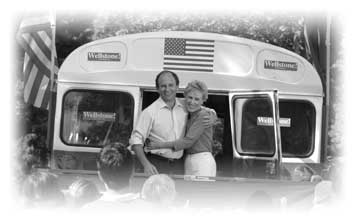
Paul and Sheila also had a unique marriage and partnership.
His causes were hers, and her causes were his. Even among
politicians whom I liked, I often liked their spouses more.
I think of Eleanor Roosevelt. With Paul and Sheila, I loved them
both. It was as if they were one person with two heads.
When Paul first ran for the senate, I thought his chances of
winning were slim. He was taking on a popular and folksy two
term incumbent Republican. But if I did not work on his
campaign, how could I ever complain about the lack of
assistance to and empathy for the poor? When he won, I
thought that it was a fluke, but he would make the best of
his time. I was wrong about the former, but not the latter.
I volunteered on each of his campaigns, and played jazz piano
for many of his fundraisers. I visited whenever I could. We
would talk about the concerns of the low income tenants I
represent at Legal Aid, the issues of the day, and our
families. He always made time for me.
And then there were the hugs. I had a senator who both
hugged, and was huggable. If I ever develop a bad back,
I will blame Paul.
Having said all of this, you might think that I was one of their
best friends. I was not, but Paul and Sheila made me feel
like I was. They both remembered so much about my family
in between our meetings, and they took such pride in our
accomplishments. When my daughter Shannon invited Paul
to a band concert, he wrote back. Paul even called from an
airport when he saw I was the focus of a newspaper article.
These last few days I learned that so many other people
had similar experiences. Perhaps everyone they touched
were among their best friends.
In 1968, at age 12, I was old enough to be aware of the deaths
of Martin Luther King and Bobby Kennedy, but not old or aware
enough to fully comprehend how their deaths touched so many
people. While I came to understand it over time, I did not "feel"
it until now.
My 16-year-old daughter Kelsey also feels it.
Working on her first campaign, she will not be
able to work on another for him. When she
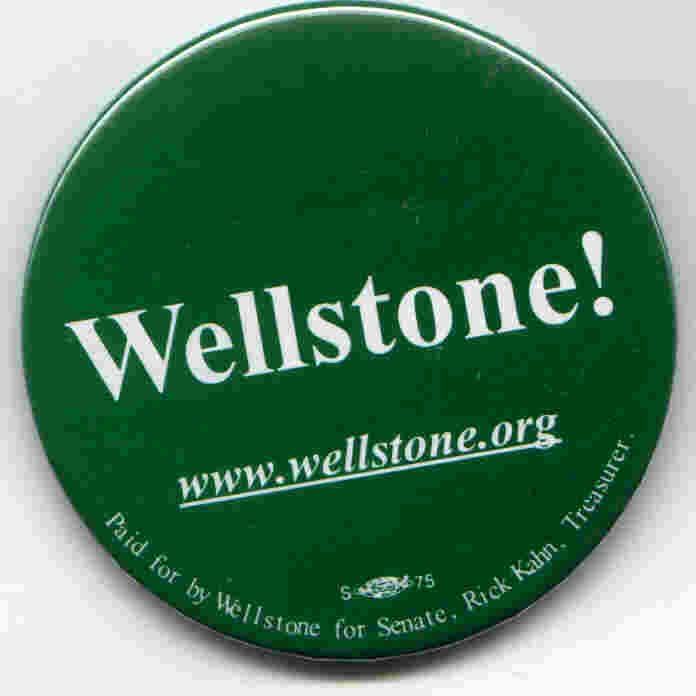
was four years old, she thought Paul owned
the color green. She called me from school
when she heard of the plane crash, and we
cried together on the phone. She had met
Paul and Sheila's daughter, Marcia Wellstone
Markuson, who also died in the crash, just
one week before, commenting on how she
had so much energy.
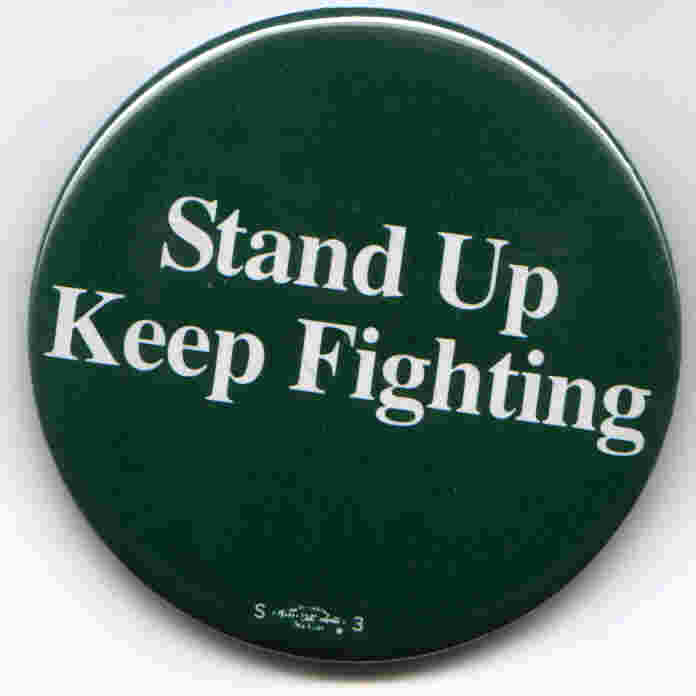
In the midst of this grief, she, along with 13-year-old sister Shannon and their friends, stood up and kept fighting. They worked all day on election day for the short and unsuccessful campaign of Walter Mondale. The former Vice President was around 60 years old when they were born, but they knew as soon as he took Paul's place that he shared Paul's principles. There never was any question about whom they would support. They had never known a time when Paul was not their senator, and he and his values set the standard against which they measure politicians. That alone is a great legacy, leaving me with a sense of optimism in the midst of dark times.
Whenever I would see Paul and Sheila, I would start by thanking them for all that they did, and how they inspired so many. If I didn't talk fast enough, Paul would cut me off midstream and thank me, and my legal aid colleagues, for all that we do in service to the poor. He said that "we" were "his" heroes. I think Paul and Sheila felt that way of so many: that all of the people they touched also touched them. Perhaps we all had the same lasting impact on them that they had on us.
I did not know the others on the plane, but have learned a lot about them in recent days. As I am reminded how Paul viewed so many others as his heros, I see them as my heros. They are among the many citizens past, present, and future, who have taken on the mantle of social justice. They work for the benefit of others beyond any benefit to themselves, often without any personal knowledge of many of the people aided by their work.
So how do we remember Paul, Sheila and Marcia, campaign workers Mary McEvoy, Tom Lapic, and William McLaughlin, and pilots Richard Conroy and Michael Guess? Lend a hand to someone in need, give time and money to organizations who do the same, and work and vote for candidates who want the same.
It appears that for the present, a small fraction of the population, but a majority of the subset of citizens in Minnesota and the country who vote have chosen another road. Perhaps the end to "A Christmas Carol" will have to wait for another day. But it will never come if those committed to social justice do not carry on. Paul and Sheila showed us how to make social justice important to a voting majority. We must learn to do it again. "Stand up, keep fighting!"
Larry McDonough
Email Larry at mcdon056@umn.edu